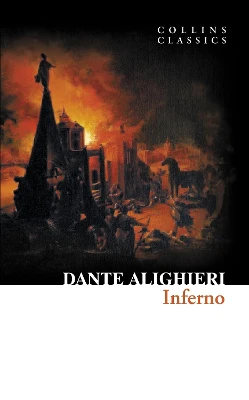
Inferno (Collins Classics)
HarperCollins is proud to present our range of timeless literary classics.
‘There is no greater sorrow then to recall our times of joy in wretchedness.’
Considered one of the greatest medieval poems written in the common vernacular of the time, Dante’s Inferno begins on Good Friday in the year 1300. As he wanders through a dark forest, Dante loses his way and stumbles across the ghost of the poet Virgil. Virgil promises to lead him back to the top of the mountain, but to do so, they must pass through Hell, encountering all manner of shocking horrors, sins and evil torments along the way, evoking questions about God’s justice, human behaviour and Christianity.
Inferno (Collins Classics)
HarperCollins is proud to present our range of timeless literary classics.
‘There is no greater sorrow then to recall our times of joy in wretchedness.’
Considered one of the greatest medieval poems written in the common vernacular of the time, Dante’s Inferno begins on Good Friday in the year 1300. As he wanders through a dark forest, Dante loses his way and stumbles across the ghost of the poet Virgil. Virgil promises to lead him back to the top of the mountain, but to do so, they must pass through Hell, encountering all manner of shocking horrors, sins and evil torments along the way, evoking questions about God’s justice, human behaviour and Christianity.
Product Information
Product Information
Shipping & Returns
Shipping & Returns
Description
HarperCollins is proud to present our range of timeless literary classics.
‘There is no greater sorrow then to recall our times of joy in wretchedness.’
Considered one of the greatest medieval poems written in the common vernacular of the time, Dante’s Inferno begins on Good Friday in the year 1300. As he wanders through a dark forest, Dante loses his way and stumbles across the ghost of the poet Virgil. Virgil promises to lead him back to the top of the mountain, but to do so, they must pass through Hell, encountering all manner of shocking horrors, sins and evil torments along the way, evoking questions about God’s justice, human behaviour and Christianity.